by Bronte Hughes
In the past we have seen artists such as Grace Jones, David Bowie and Siouxsie Sioux champion androgyny and gender fluidity however as we millenials and Gen Z grow up it is becoming the norm for some to identify as non-binary or transgender, and as this continues to grow and change, it makes sense for brands to represent these people who identify as the aforementioned and design for them, in the mainstream as well as high fashion, embracing inclusivity and uniqueness.
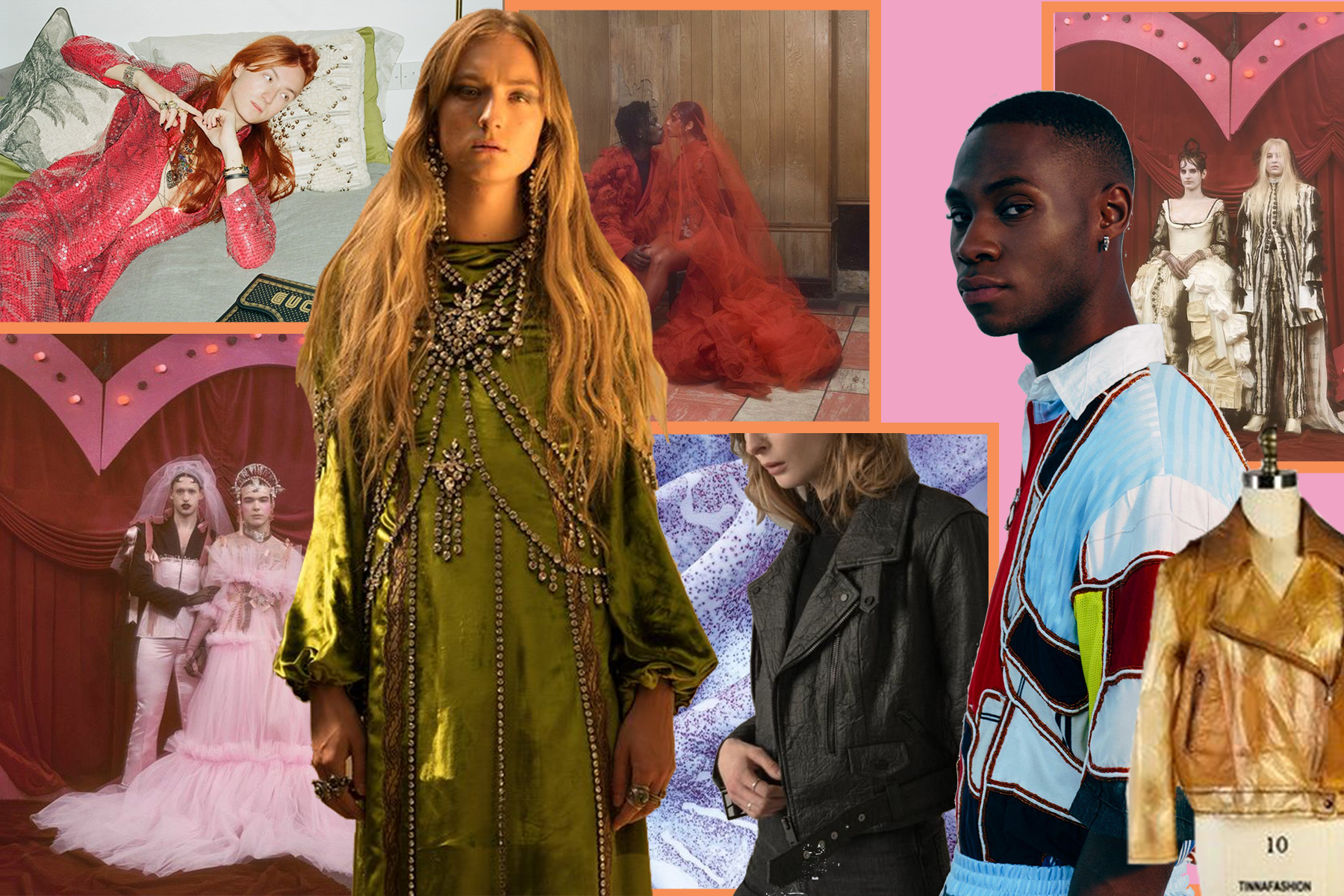
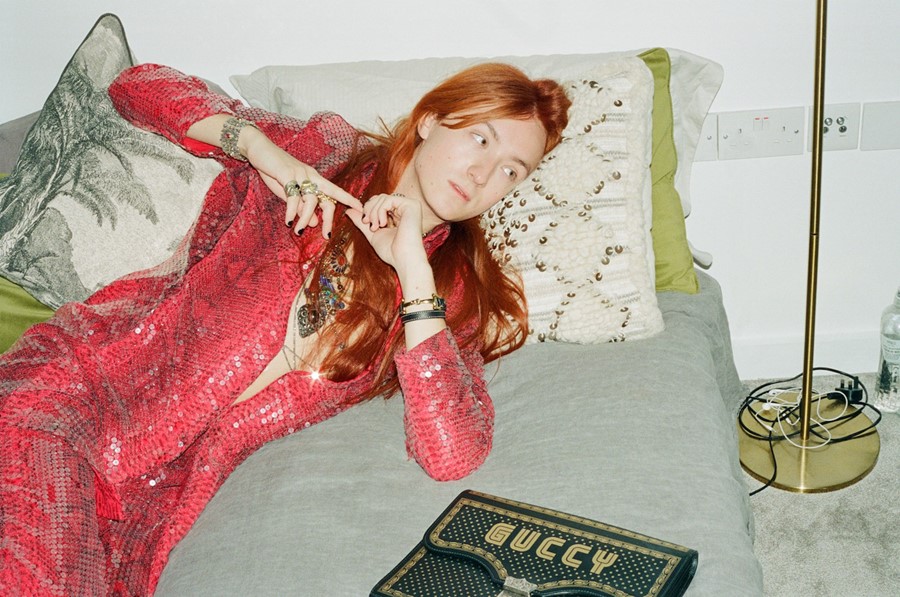
Fashion house Gucci recently had a perfume campaign which features fashion student Harris Reed who identifies as genderfluid, he like many others of his generation are redefining masculinity, breaking society’s image of what a man or woman should look like. As my generation continues to discover who they are and what they identify as, representation is key in fashion to ensure that all kinds of people are displayed in campaigns and runways, this is the future of fashion as people are changing and the fashion industry will be at the forefront of genderless fashion changing people’s views.
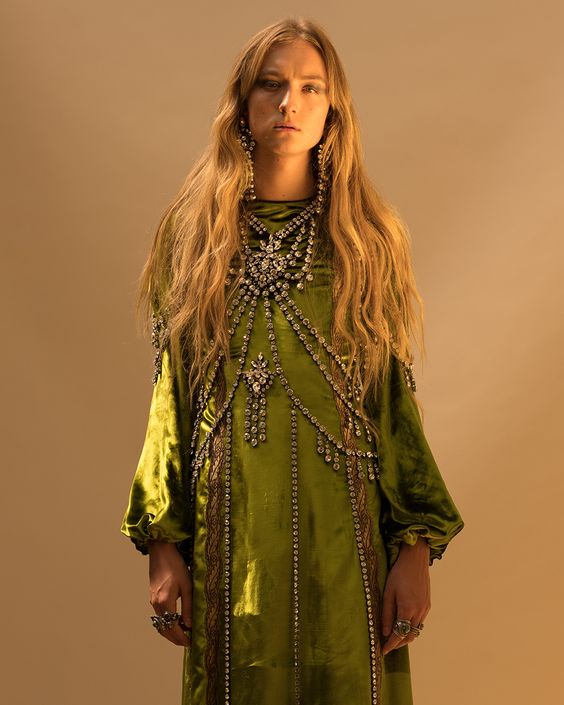
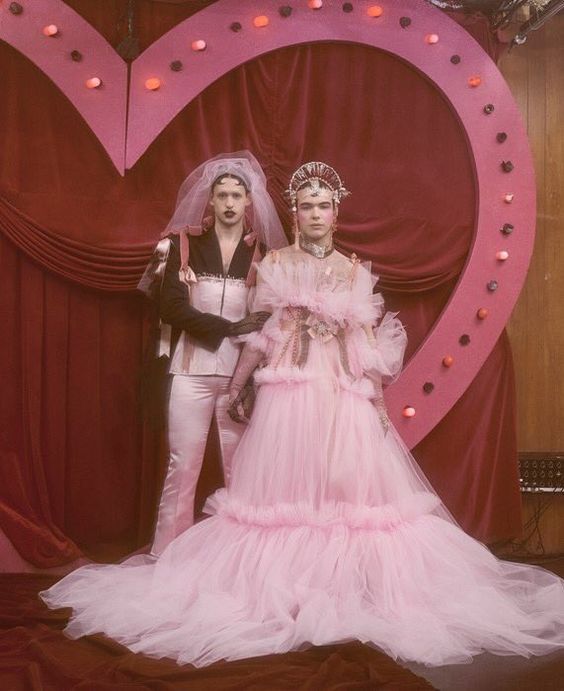
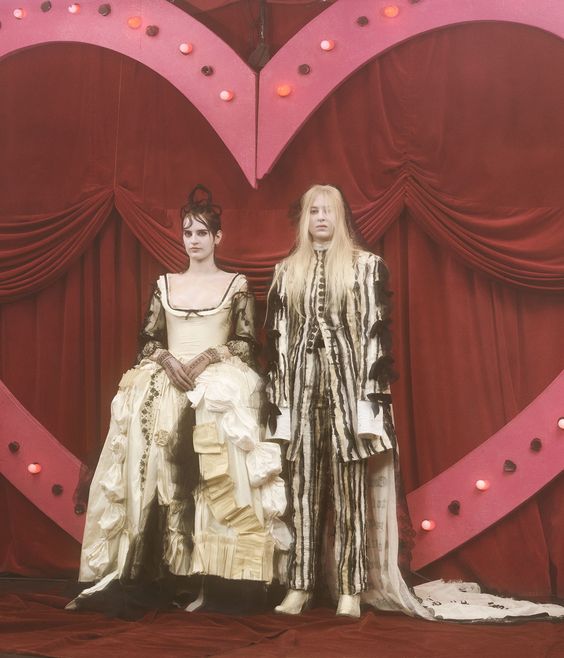
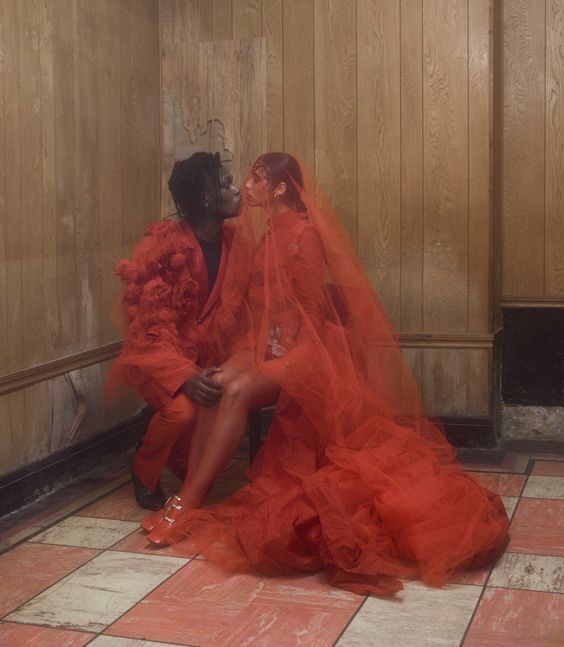
The fashion industry has began casting non-binary models for runways and campaigns however as the demand of genderless fashion grows, we will see high street stores represent genderless people with lines made for non-binary consumers, we have already seen non-binary fashion being designed, usually by fashion students or recent graduates such as Dilara Findikoglu who creates all-inclusive collections, for example her bridal collection in June 2018, was non-gender specific filling the gap of avant garde bridal for all kinds of couples which also aims to redefine masculinity and femininity.
In the future we will see more representation non-binary models and genderless fashion as society and the industry embrace individuality and inclusivity.
 Future of fashion