The Future of Fashion is Genderless

by Bronte Hughes

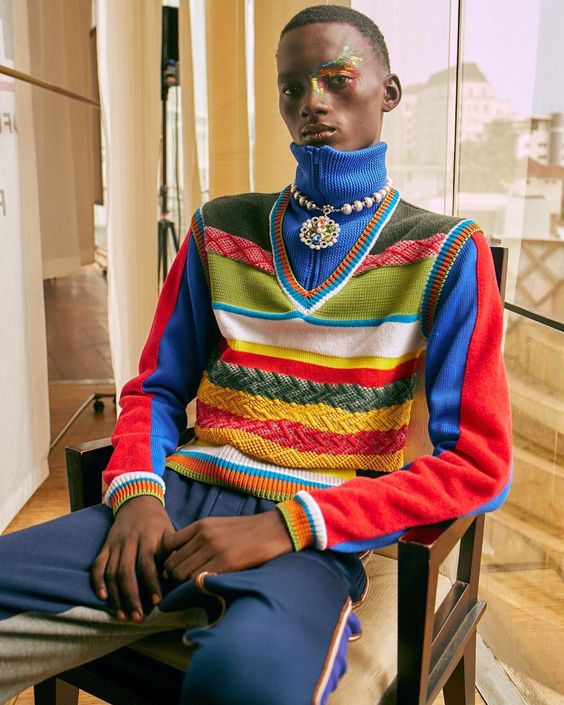
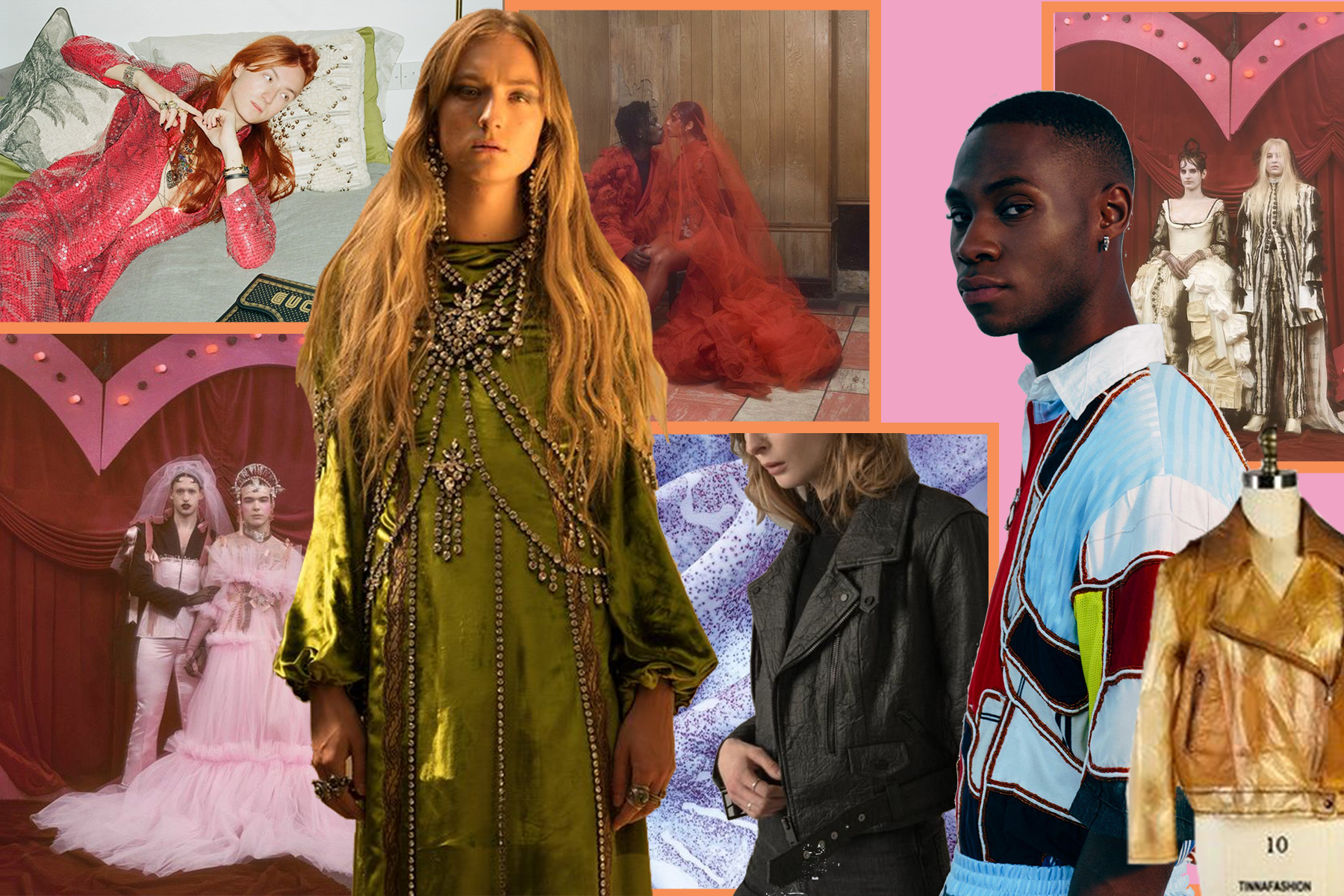
In the past we have seen artists such as Grace Jones, David Bowie and Siouxsie Sioux champion androgyny and gender fluidity however as we millenials and Gen Z grow up it is becoming the norm for some to identify as non-binary or transgender, and as this continues to grow and change, it makes sense for brands to represent these people who identify as the aforementioned and design for them, in the mainstream as well as high fashion, embracing inclusivity and uniqueness.

Fashion house Gucci recently had a perfume campaign which features fashion student Harris Reed who identifies as genderfluid, he like many others of his generation are redefining masculinity, breaking society’s image of what a man or woman should look like. As my generation continues to discover who they are and what they identify as, representation is key in fashion to ensure that all kinds of people are displayed in campaigns and runways, this is the future of fashion as people are changing and the fashion industry will be at the forefront of genderless fashion changing people’s views.

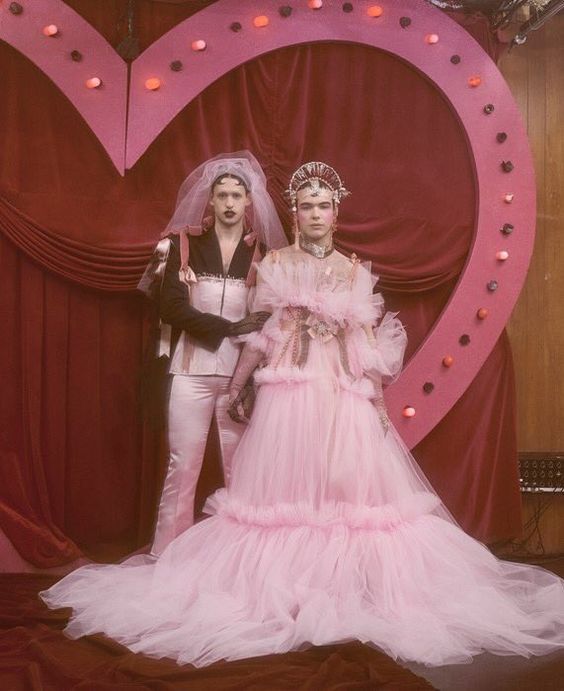
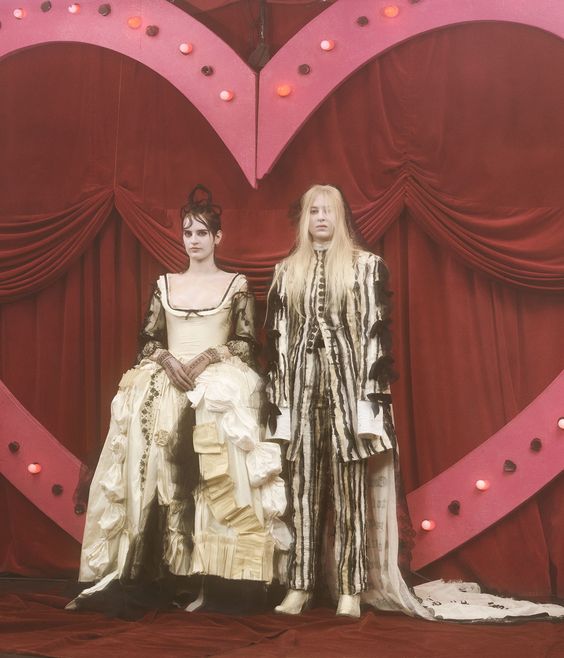
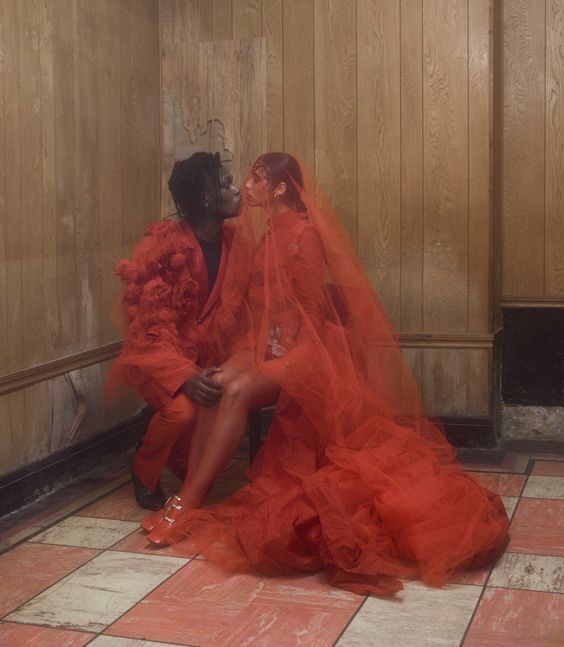
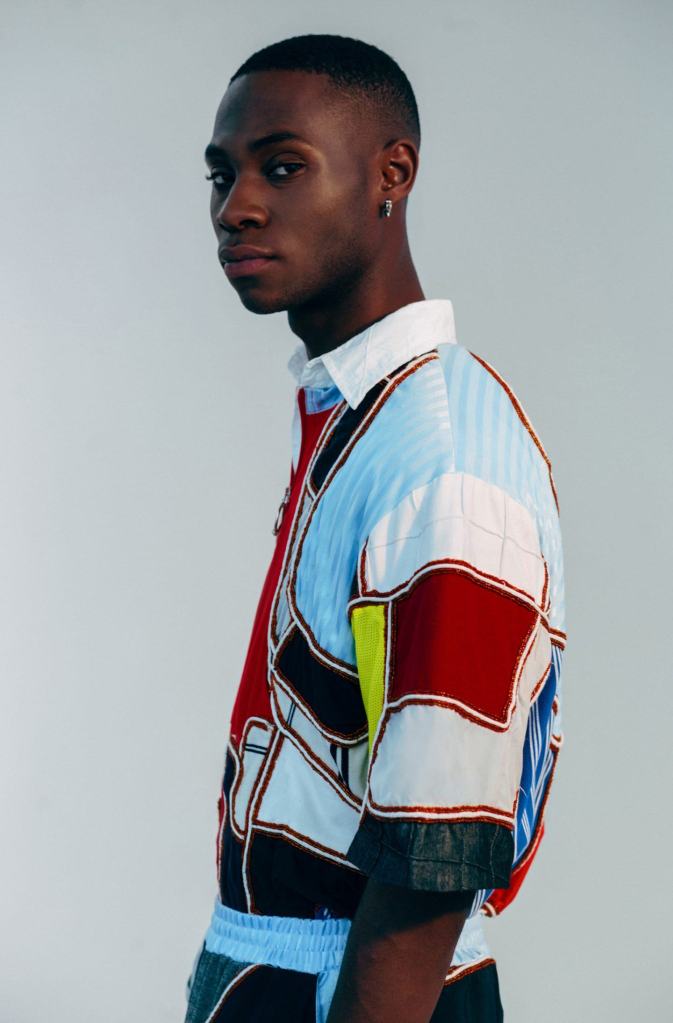
The fashion industry has began casting non-binary models for runways and campaigns however as the demand of genderless fashion grows, we will see high street stores represent genderless people with lines made for non-binary consumers, we have already seen non-binary fashion being designed, usually by fashion students or recent graduates such as Dilara Findikoglu who creates all-inclusive collections, for example her bridal collection in June 2018, was non-gender specific filling the gap of avant garde bridal for all kinds of couples which also aims to redefine masculinity and femininity.

In the future we will see more representation non-binary models and genderless fashion as society and the industry embrace individuality and inclusivity.

Future of Fashion: Technology Changing the Way We Shop

by Bronte Hughes

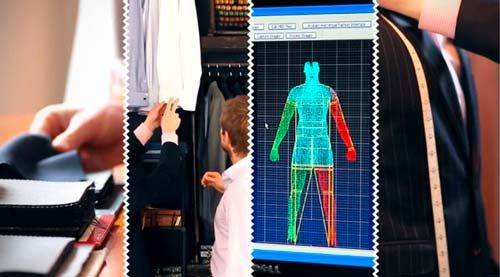
As online shopping grows due its accessibility and convenience the demand for innovation in technology in shopping increases, to compete with the tactile advantages of shopping in store we will see technologies such as augmented reality, facial recognition payment and 3D body scanning.

We now live in a fashion world with trends changing so quickly as a result of the rise of influencers, the demand for the above technologies will grow in the future. Augmented reality (AR) allows customers to try on the garments through their camera, to visualise the look in real life. This may be used for footwear to see what they look like with your outfit. AR will be introduced into more online stores in years to come making bricks and mortar stores potentially obsolete.

Working in retail you realise how cash is becoming no longer a necessity, so in the future we will see a rise in payment technologies such as facial recognition, making it simpler, convenient and maybe safer. 3D body scanning will be make it easier for brands to tailor make a garment for their client, as they will get the exact measurements and be able to 3D print the model for more convenient fitting, without the client having to travel to the designers studio, which also saves the carbon emissions of plane travel, an effect that must be considered for the future.

The future of fashion relies on technology to progress and, as it changes it becomes simpler, more convenient and keeps up with the ever changing trends of the fashion industry.

The Future of Fashion is Near and it’s Sustainable

by Bronte Hughes

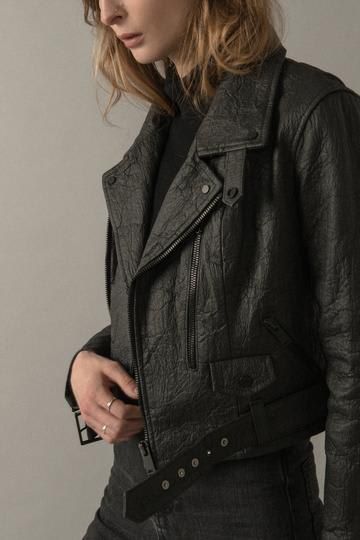
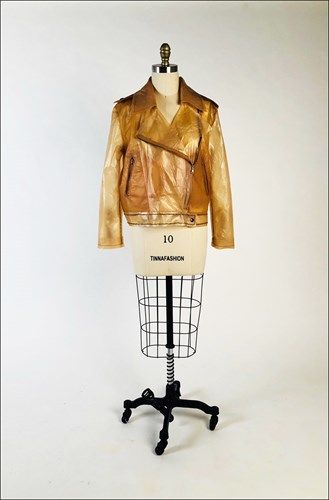
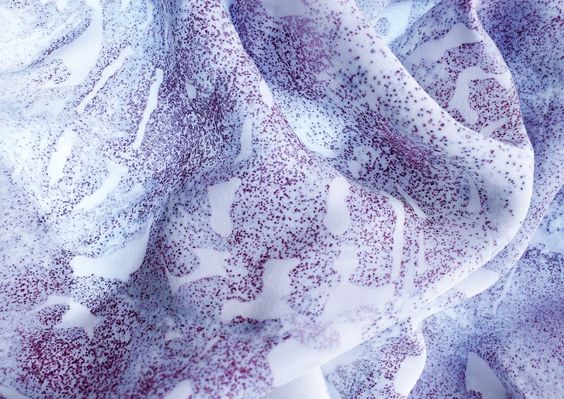
Sustainability is now at the forefront of conversation in fashion as mother nature continues to deteriorate the need for eco-conscious clothing is growing rapidly. The future of fashion will be widely designed with the environment in mind, we will see a increase in eco-dyeing of fabrics from food scraps, plants and bacteria. Bio Fabrications such as Kombucha, pineapple, mushroom and apple fibres used to create leathers will be introduced to the mainstream and the need to upcycle old garments will continue due to the more than 500,000 tonnes of textiles and leather end up in landfill each year in Australia.

Fashion is the second biggest polluter, the main contributor being fast fashion as we live in a throw away culture which relies on seasonal trends, however with youth leading the climate revolution, in the future, I believe fast fashion could be a thing of the past, and with high fashion brands aiming to reduce their environmental footprint by 2030. The need to use the resources we already have will spark more creativity and innovation with designers already using old garments or deadstock to create unique patchwork or avant garde looks.